 Antigua Guatemala City Guide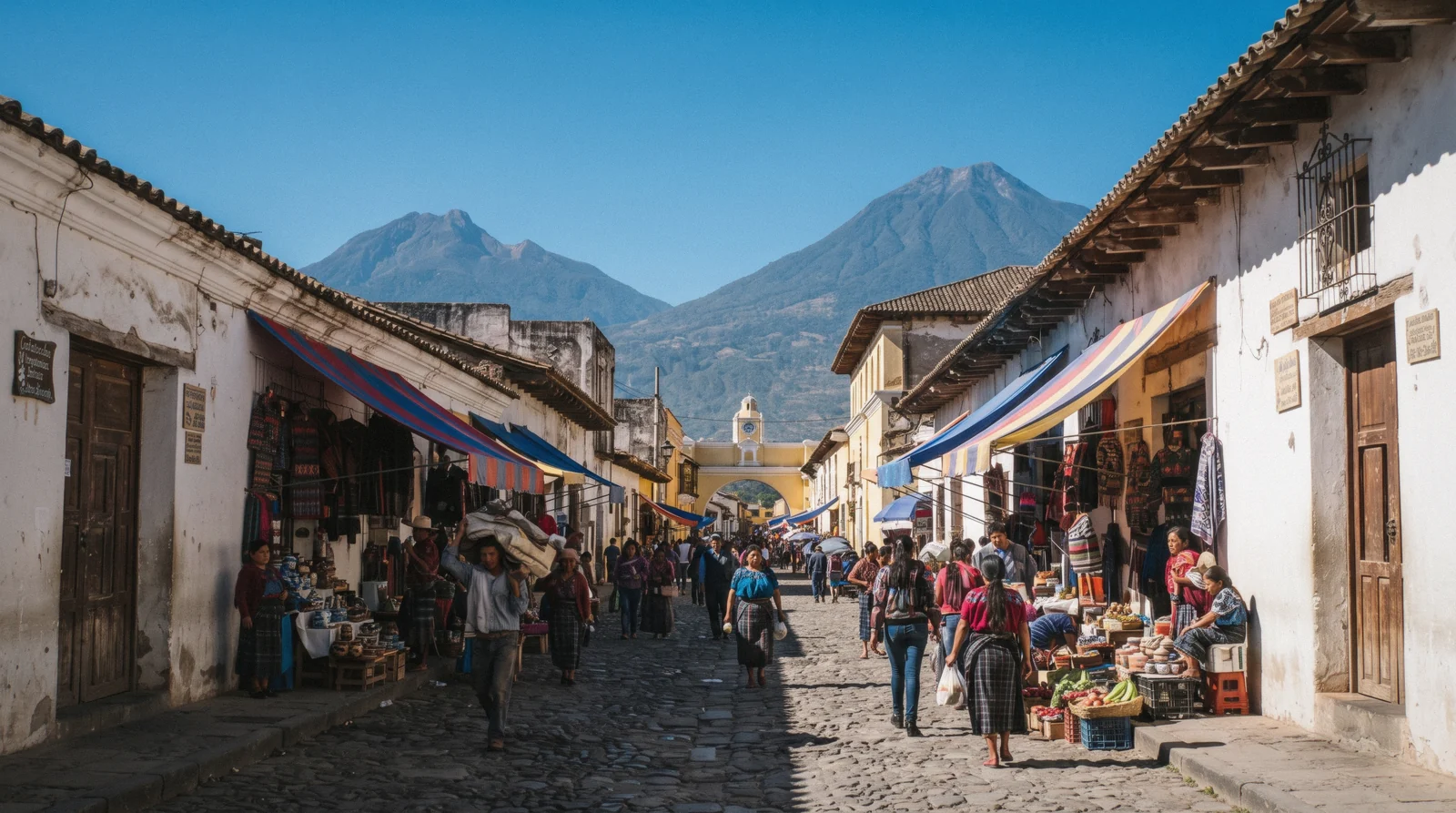
Best Time to Visit Antigua Guatemala
The best time to visit Antigua Guatemala is the dry season, which runs from November to April. That verdict comes with two refinements. If you want warmth with your blue skies, aim for March and early April, when average highs touch 27°C and the rains have not yet returned in force. If you can only travel mid-year, July's canícula can open a drier window inside the wet months. This page is a routing tool, not a survey of every month. The full numbers live in the climate record, the city itself is covered in the Antigua Guatemala city guide, and below you will find the decision laid out by priority: certainty, warmth, processions, volcanoes and price.
Quick answer
The dry season, November to April, is the classic best time to visit Antigua Guatemala. December, January and February are the driest full months, with 7 to 10 mm of rain apiece. March and April are the warmest, with average highs near 27°C (81°F), though rain returns in April. The wet season, May to October, follows an afternoon-rain pattern: bright mornings, showers from mid-afternoon, and September is the wettest month of all at 311.4 mm. The canícula, a mid-rainy-season dry spell, can open a window in July. Semana Santa moves with Easter, in 2027 it falls in March, and it is the biggest, busiest spectacle of the year. Route your trip below by what matters most to you.
Key takeaways
- Compare all twelve months at a glance in the twelve months table.
- Match your travel style to a window with the routing table.
- Go deeper on the data in the climate page.
- Time the year's biggest event with the Semana Santa guide.
The Twelve Months, Compared for a Traveller
Everything in the first three columns is data from the ERA5 thirty-year normals: average high and low Celsius, rainfall in millimetres and the count of rainy days. The final column is the judgement, a traveller's read on what each month is actually like on the ground. Figures current in Q3 2026.
| Month | High / low | Rain and rain days | The case |
|---|---|---|---|
| January | 24.7 / 13.6°C | 6.8 mm · 2.5 days | Driest month of all. Coolest nights, pack a fleece for after dark |
| February | 26.0 / 14.0°C | 9.9 mm · 3.2 days | Bone-dry and warming. The post-holiday lull |
| March | 26.9 / 14.9°C | 30.0 mm · 8.0 days | Warm and mostly dry; Easter falls here some years and rearranges everything |
| April | 27.0 / 16.0°C | 78.5 mm · 16.0 days | Hottest month. The shoulder, rain about every other day late in the month |
| May | 25.5 / 16.8°C | 213.5 mm · 25.5 days | The rains arrive. Mornings still work, afternoons belong to the rain |
| June | 24.0 / 16.6°C | 300.4 mm · 25.8 days | Second-wettest. Green and quiet |
| July | 24.6 / 16.1°C | 171.4 mm · 20.0 days | The canícula window, a dry spell the forecasters watch for |
| August | 24.7 / 16.2°C | 218.9 mm · 22.9 days | Full wet-season pattern resumes |
| September | 24.0 / 16.2°C | 311.4 mm · 27.8 days | The month to avoid if rain ruins your day, wettest of all |
| October | 23.5 / 15.8°C | 226.5 mm · 22.1 days | Still wet. The count turns downward |
| November | 23.5 / 14.7°C | 54.2 mm · 9.2 days | The shoulder back to dry. Landscape at its greenest |
| December | 24.2 / 13.9°C | 10.2 mm · 2.8 days | Dry season opens. The holiday season fills the town |
Notice that the temperature curve barely moves, with average highs running from 23.5°C to 27.0°C all year. This decision is about rain and calendars, not seasons of heat and cold.
Route Your Trip by Priority
Different travellers are optimising for different things, so start from your own priority rather than a generic ranking. The weather numbers above serve every row of this table.
One table, seven priorities
Find the row that sounds like you and book accordingly: each priority below has a different best window, and the reasons are the sourced figures from the table above rather than marketing moods.
| Your priority | Come | Why |
|---|---|---|
| Certainty, the driest air | December to February | 7–10 mm a month on 2.5–3.2 rainy days. Plan every evening outdoors |
| Warmth | March to mid-April | Average highs 26.9–27.0°C. Rain returns in April, the earlier half is safer |
| The processions | Semana Santa, it moves with Easter | 2027: Palm Sunday 21 March, Good Friday 26 March (computed, cross-check when the municipality publishes). The biggest spectacle, the biggest crowds |
| A dry window inside the rains | July | The canícula can open up to about 40 days of reduced rain, a forecaster's window, not a promise |
| Green, quiet, thin crowds | September to October | The wettest months (311.4 mm in September), brilliant mornings, written-off afternoons. Wrong only if rain ruins your day |
| Volcano hiking | Status, not season | Fuego and Acatenango summits are suspended under CONRED's orange alert with no reopening date; Pacaya is open, check status on the Pacaya page |
| Longest stay for the money | The wet months | No official seasonal price calendar exists, negotiate on the ground. What is published sits in the costs page |
If we have to pick one
Forced to a single window, we would book late January through March. That stretch combines the driest air of the year with the warmest days, and it sits outside both the December holidays and the Holy Week crush. November is the pick if you want the landscape at its greenest, freshly washed by the rains and before the holiday crowds arrive.
Late September is for a specific kind of traveller, the one who likes rain on the roof, a quiet street and mornings that still work beautifully. Everyone else should read the volcano row twice: summit hikes on Fuego and Acatenango are suspended under CONRED's orange alert with no reopening date, so check status before you plan any altitude.
The Dry Season: November to April
The dry season has a shape. November is the shoulder: 54.2 mm of rain falls that month, a fraction of the wet months, and the landscape is still green from the rains, which makes it arguably the most photogenic time of the year. Then comes the core.
December, January and February each record between 6.8 and 10.2 mm on two to three rainy days, which in practice means you can plan every single day outdoors without checking a forecast. March warms further and total rain rises to 30.0 mm on about eight days, usually light and brief. April is the hinge: at 78.5 mm across sixteen days, rain arrives roughly every other day late in the month, and it is also the hottest month, with an average high of 27.0°C. What the season feels like owes as much to altitude as to season.
The city sits at about 1,530 m, so days are spring-like rather than tropical and the sun is stronger than the thermometer suggests. Nights drop to an average low of 13.6°C in January and 14.7°C in November, cool enough that a fleece or jacket is a packing essential for every evening, all season long. The practical meaning is simple: every outdoor plan works.
Viewpoints such as Cerro de la Cruz are clear of haze, volcano views from the rooftops are reliable, and café terraces and courtyards stay usable after dark. The one caveat is the calendar, not the sky. December's holiday weeks and Easter fill the town.
That is a crowds and accommodation problem, not a weather one, and it applies to the finest weather of the year. If you want the same clear skies without the full houses, target late January through March and read the Semana Santa page before you book anywhere near Easter.
The Wet Season: May to October, and Why It Still Works
The wet season in Antigua is not a washout. It is a pattern, and once you know the pattern it becomes a schedule. Mornings are typically bright.
Cloud builds over the volcanoes from midday. A heavy shower arrives from mid-afternoon and the sky usually clears again by dark. That rhythm means the day is not lost, it is front-loaded: ruins, viewpoints and photo walks in the first hours, museum and coffee time after lunch.
The month ladder runs like this. May opens the season at 213.5 mm. June jumps to 300.4 mm.
July then dips to 171.4 mm, and that dip is the canícula, the mid-rainy-season dry spell that INSIVUMEH's forecasters watch for. In recent outlooks it has been expected to start in July and last up to about 40 days. August resumes at 218.9 mm.
September is the peak at 311.4 mm on nearly 28 rainy days, and October eases to 226.5 mm as the count turns downward. So who is the wet season for? Anyone who wants the greenest landscape of the year, thin crowds at the major sites, and mornings that comfortably fit the ruins and a mirador climb.
Photographers like the light after a storm passes. Who is it wrong for? Anyone whose plan dies with an afternoon indoors, or who has only two days and cannot afford a dud afternoon.
One honest negative: no official source publishes wet-season price calendars for hotels, so the claim that beds are cheaper stays anecdotal. Treat any discount as something to negotiate on the ground. The full data sits in the climate deep-dive.
The Shoulder Months: November and April
November and April are the two hinges of the year, and they deserve their own read because both are better than their position suggests. November closes the wet season at 54.2 mm on 9.2 rainy days, which is a third of what October carried, and it does so while the landscape is still at its rain-fed greenest: the coffee trees deep green, the hillsides unwashed by dust, the light soft. Travellers who want the dry season's reliability without its brown hillsides pick November for exactly that combination.
The nights are cooling too, 14.7°C on the monthly mean, so the evening fleece comes back into the bag. April is the mirror image on the far side. It is the warmest month of the year, 27.0°C (81°F) on the average high, and the driest stretch of the year is two months behind you, which is why it attracts travellers chasing guaranteed heat.
The cost is the rain count: 78.5 mm across 16 days, roughly a shower every other day and most of them in the classic afternoon slot. Early April behaves like March. Late April behaves like a preview of May.
The fortnight you pick inside the month matters more here than in any other month of the year, and Easter can land in either month, bending both. Between them, the two shoulders frame the honest compromise this page keeps returning to: the best weather and the best landscape do not overlap perfectly, and the months at the edges of the dry season are where the two trade places. Where the money side of that trade sits is on what a day costs, and the climate rows themselves are on the weather page.
Semana Santa and the Calendar of Crowds
Semana Santa is the city's defining event, and by design it lands in the middle of the dry season. Easter is a movable feast, which means the spectacle moves with it. For 2027 the calendar gives Palm Sunday on 21 March, Good Friday on 26 March and Easter Sunday on 28 March.
Those dates are computed from the calendar, so cross-check them when the municipality publishes its official program. The scale is hard to overstate. On the municipal 2026 pattern, the season ran to about 56 velaciones and 58 processions.
Streets are carpeted in dyed sawdust and flowers ahead of the processions, and pedestrian perimeters close off central blocks from early morning. La Merced alone originates two of the major processions, the Palm Sunday and the Good Friday Procession of Penance. The planning consequences are direct.
Rooms pack out around the movable date, sometimes months ahead, and transport to and from the city runs full. If you want to see it, book early and expect the town to be at capacity. If you want to avoid it, the same principle applies in reverse: work backwards from the Easter date and keep your stay clear of the full week and the weekends either side.
The rest of the calendar is much quieter. Outside the holidays, the dry-season core from late January to March delivers the same clear weather with ordinary crowd levels, which is the calm version of the same season. The specialist detail, route maps and day-by-day timing live on the Semana Santa page.
So, When Exactly Should You Go?
The decision fits in three lines. First choice: late January to March. That is the driest stretch of the year with the warmest days, outside the December holidays and clear of Easter in most years.
You get reliable volcano views, dry evenings in the plazas and no afternoon rain to plan around. Coming anyway in the wet season, from May to October? Come for the mornings.
Ruins, viewpoints and walking tours belong to the first half of the day, and the rain is an afternoon affair that usually clears by dark. Pack a light shell and treat the shower as a scheduled coffee break. Building the trip around the processions?
Then everything runs backwards from the movable Easter date. For 2027 that means the week of 21 to 28 March, and you should book rooms and transport as early as possible because the town fills completely. Whatever window you choose, the city itself does not change much.
Fill the dry mornings with the best things to do, and budget the trip with what a day costs. The season decides the weather and the crowds. It does not decide whether Antigua is worth it, because it always is.
What the Season Does to Each Activity
The month matters differently depending on what you booked, so here is the same climate read applied to the things people actually schedule, with the platform's listed prices where a booking is one.
The pattern to hold onto is the same one from the wet-season section: mornings are the reliable half of the day from May to October, and the whole day is reliable from November to April.
| The day out | When it works | The season's effect |
|---|---|---|
| Ruins, churches and the arch | Any month | No published entry fees and stone interiors, the afternoon shower barely touches them. Mornings still have the better light |
| Cerro de la Cruz and the viewpoints | Dry season first choice | The signposted trail runs 20–30 minutes from the centre any month, but the volcano backdrop earns its postcard only in the clear dry-season air |
| Hobbitenango and the ridge parks | Any month, dry preferred | The park's own pass is $8 with an $8 return shuttle. The ridge gets its own cloud, so the high season's clarity is worth the crowds |
| Coffee tours and cooking classes | Any month, rain-proof | Listed at $53–77 and $38, the estate and kitchen are covered or indoor, which makes them the wet-season anchor days |
| Lake Atitlán day trips | Any month, start early | Listed at $92–145 for a guided day, $25 for the one-way van. The morning departure beats both the traffic and the afternoon rain |
| Semana Santa carpets and processions | Easter only | The dry season hosts it. The streets belong to the processions and the crowds belong to the streets |
| Volcano hiking | Status first, season second | Fuego and Acatenango summits are suspended under CONRED's orange alert with no reopening date; Pacaya runs, check the Pacaya page |
Read the table as a scheduling tool rather than a ranking. The wet season does not close anything on this list except the afternoon half of outdoor days, and the dry season does not improve anything that happens under a roof. That is why the routing section above gives a different month for a photographer than for a food-focused traveller: the climate decides the light and the hours, and the itinerary decides whether that matters.
Once the window is chosen, the practical bookings, the airport run at either end, the day tours in the middle, are the same whatever the sky is doing.
Bookings That Match the Season
A dry-season clear-views pick, a wet-season indoor pick and the shuttles that run all year, prices and ratings are the platform's own.
 from $35
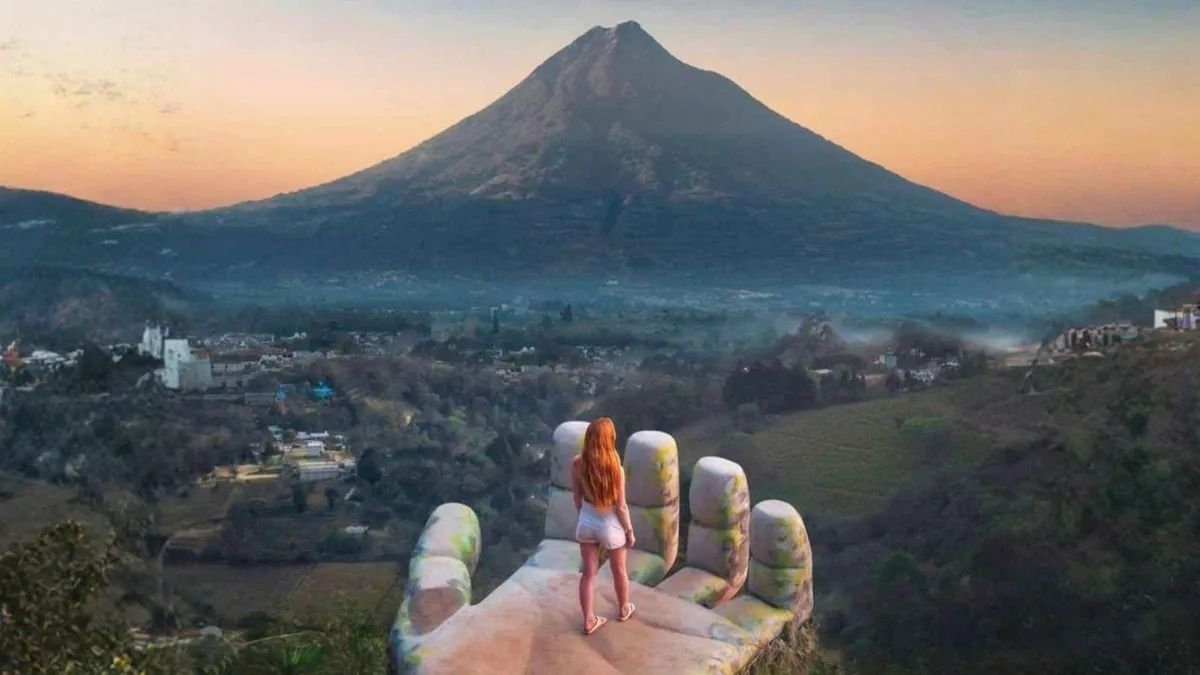
Antigua: Hobbitenango Eco-Park & Cerro de la Cruz Tour
Shuttle out to Hobbitenango plus a Cerro de la Cruz stop - the ridge and the viewpoint in one half-day.
Check Availability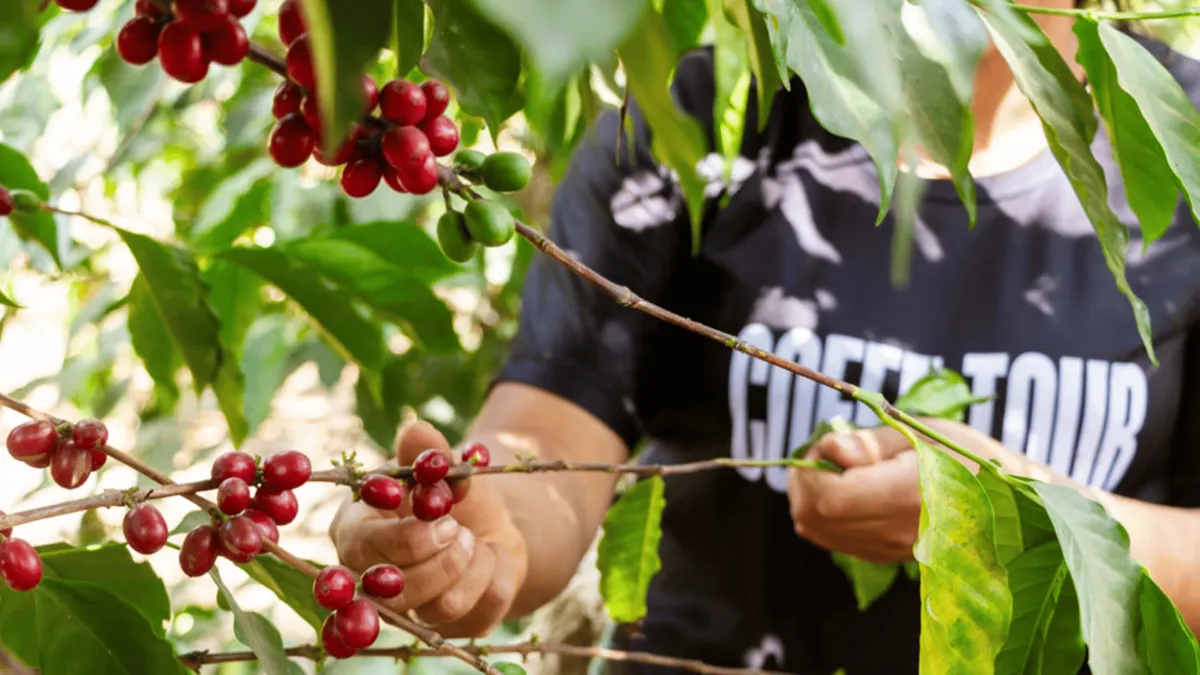 from $69
Coffee Tour in Antigua Guatemala
3.5-hour small-group coffee tour from cherry to cup on an Antigua finca; pickup included.
Check Availability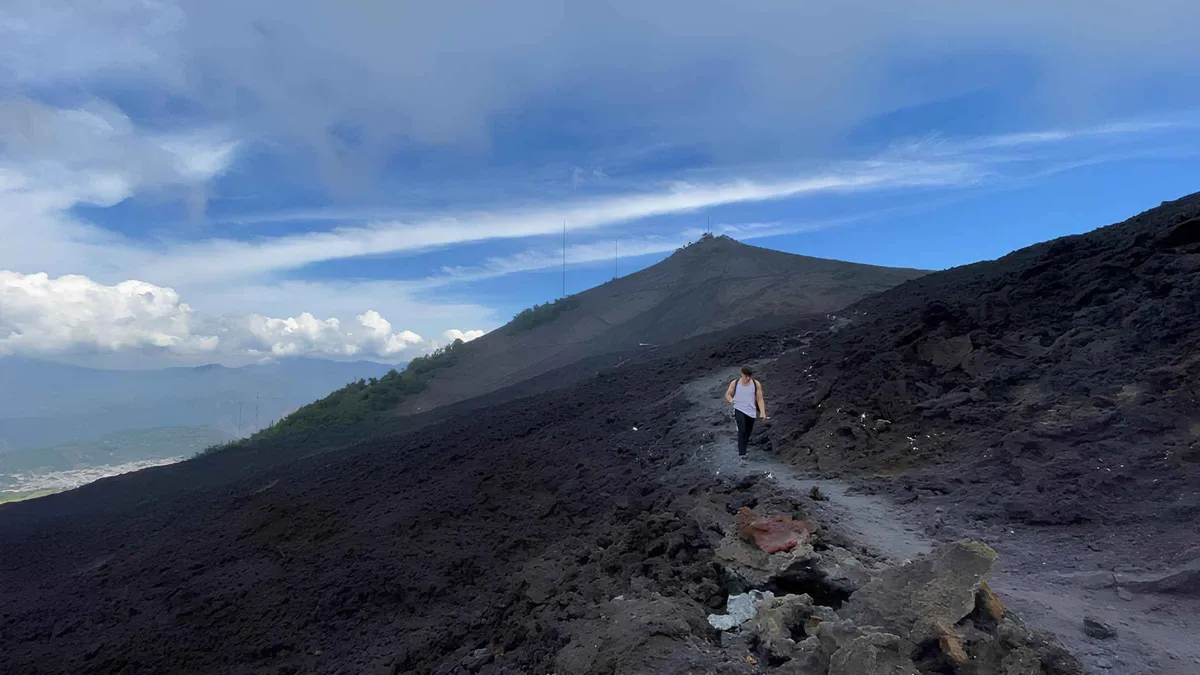 from $23
From Antigua: Pacaya Volcano Tour in English/Spanish
Half-day guided Pacaya hike with hotel pickup and marshmallows over the steam vents; the classic introduction to an active volcano, run in English or Spanish.
Check Availability from $25
Antigua Guatemala: One-Way Shared Van Transfer to Panajachel
Direct shared van Antigua to Panajachel, the gateway town for Lake Atitlan; three hours, no changes.
Check AvailabilityPrices, ratings and details are the platform's own. dollar figures are the listed prices — the platform bills in your account's currency.
Next
The Climate Record
The data behind every row above, unpacked: Antigua Guatemala weather.
The record this page routesThe Movable Spectacle
Processions, carpets and the calendar the dry season bends around: Semana Santa.
The dry-season eventThe Money Side
What the chosen month costs once you are there: what a day costs. Or start at the Antigua Guatemala city guide.
The same decision, in dollarsBest Time to Visit Antigua Guatemala: Questions
What is the best month to visit Antigua Guatemala?
January through March is the strongest stretch. January is the driest month on record here at 6.8 mm, February stays nearly as dry at 9.9 mm, and March warms to an average high of 26.9°C with 30.0 mm of rain. Nights remain cool all three months, so pack a fleece for the evenings. For the full comparison, see the twelve months table.
When should I avoid Antigua Guatemala?
Only if rain ruins your day: then avoid late September and October, the wettest months, at 311.4 mm and 226.5 mm respectively. Beyond that it is a matter of priorities, not a blanket warning. The wet season offers the greenest landscape and the thinnest crowds if you can work around the afternoons. Read the case for it in the wet season section.
How many days do I need in Antigua Guatemala?
INGUAT, the national tourism institute, recommends three to four days for the city. That is enough for the main ruins, a viewpoint, a coffee estate and a market morning in any season. If you are adding a volcano day or a trip out to Pacaya, lean towards the top of that range. Pair the stay with the things to do list.
Is the rainy season a bad time to visit Antigua Guatemala?
No, with one adjustment. The rain follows an afternoon pattern: bright mornings, cloud building from midday, a heavy shower from mid-afternoon, clear by dark. Schedule ruins and viewpoints first thing and the afternoon shower becomes a coffee break. You also get the greenest landscape of the year and the quietest streets. The month-by-month data is in the wet season section.
When is Semana Santa next year?
Easter moves every year, so the date of Semana Santa moves with it. For 2027 the calendar gives Palm Sunday on 21 March, Good Friday on 26 March and Easter Sunday on 28 March. Those dates are computed, so cross-check them when the municipality publishes its official program. Rooms and transport pack out around the full week. The specialist detail is on the Semana Santa page.
Is Antigua Guatemala nice in December?
December is one of the best months on the record: 24.2°C (76°F) average high, 13.9°C (57°F) average low, and 10.2 mm of rain across 2.8 days. The trade is calendar risk rather than weather risk, the holiday weeks fill the town and lift demand for rooms and transport. Book early and the month delivers dry days, clear volcano views and cool evenings that make the plazas work after dark. The full month sits in the twelve months table.
What is the canícula in Guatemala?
It is the mid-rainy-season dry spell, sometimes called a veranillo, and it typically starts in July. Its footprint shows in the data: July averages 171.4 mm of rain while June on one side takes 300.4 mm and August on the other 218.9 mm. INSIVUMEH, the national met service, forecasts the spell each season, in recent outlooks it was expected to start in early or mid July, last up to about 40 days and cut rainfall by 25 to 50 percent for its duration. Treat it as a forecaster's window, not a promise, and read the wet season section for how to use it.
When is the cheapest time to visit Antigua Guatemala?
Honestly, no official source publishes a seasonal price calendar for hotels, so any cheapest-month claim is anecdote. The qualitative case favours the wet months, when demand is thinner and discounts are more negotiable on the ground. The exception to plan around is Holy Week, when the town fills completely. What is actually published, from shuttles to entry fees, sits in the costs page.
What is the weather like during Semana Santa?
Statistically excellent, which is part of why the week is so crowded. Easter falls inside the dry season, so the days that carry the processions run on the same pattern as the months around them: warm afternoons near 24 to 27°C (75 to 81°F), cool evenings that need a layer, and little rain unless the date lands in late April's shoulder. The movable date decides the details, for 2027 the week runs 21 to 28 March. Plan the week itself on the Semana Santa page.
The City Through the Year, On Film
Three films shot on the ground, because the one thing a climate table cannot show you is atmosphere.
Antigua Guatemala is UNDERRATED | 3 Day Travel Guide
A three-day itinerary on the ground that shows what a short visit looks like in practice, whatever the month you pick.
Video: Explorin with LaurinAntigua, Guatemala Easter Processions
The processions and street carpets up close, the spectacle that pulls the biggest crowds of the year into the dry season.
Video: Grateful GnomadsAntigua, Guatemala | 4K60fps | Walking Tour w/ Captions
A slow walking tour of the central streets, useful for judging light, crowds and street conditions at street level.
Video: Backpack GringoVideos load from YouTube only when you press play.
Prices, hours and terms are set by the venue or operator and confirmed at checkout.
We may earn a commission if you book through one of our links, at no extra cost to you. Full affiliate disclosure