 Antigua Guatemala City Guide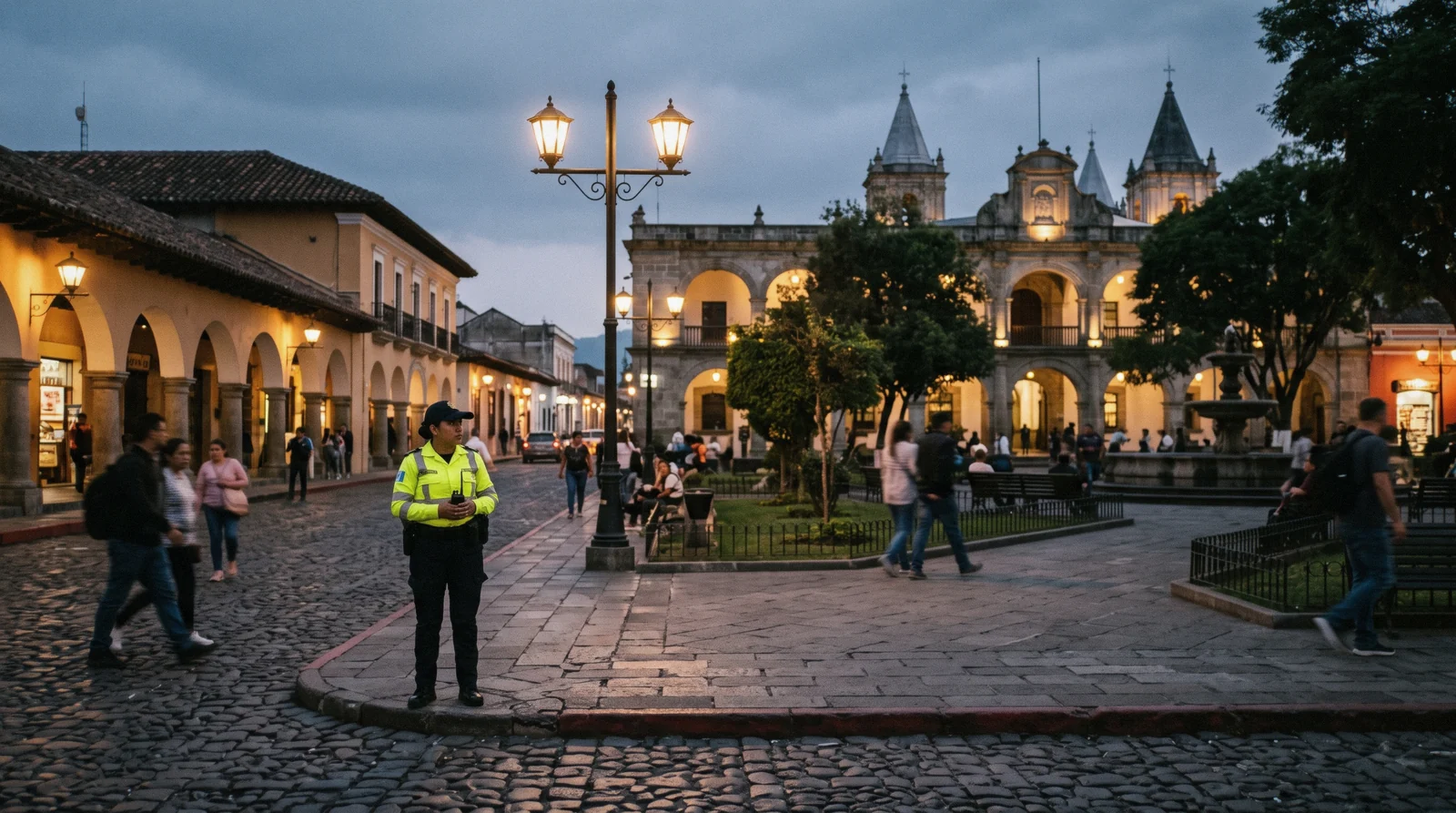
Is Antigua Guatemala Safe? Scams, Numbers and the Volcano Gate
Is Antigua Guatemala safe? The honest answer starts with what the advisories say, not what the forums shout. The United States currently advises its citizens to reconsider travel to Guatemala at Level 3, a country-wide level that says nothing specific about this city. The United Kingdom's avoid-travel advice names only strips of the Mexican border, and the department Antigua sits in is not among them. What is left once the advisories are read carefully is a set of practical, manageable risks: the public buses that carry an explicit warning, money handling at ATMs, tuk-tuk fares that were never negotiated, and a volcano gate that has closed two summits indefinitely. This page works through all of it with the sources shown, and sends the money arithmetic next door to what a day costs. Everything else about the city starts at the Antigua Guatemala city guide.
Quick answer What the advisories say, the scams that target visitors, and the numbers that answer at night
The risk picture is country-wide, not city-specific. The US advisory sits at Level 3, Reconsider Travel, for Guatemala as a whole. The UK's avoid-travel zones are Mexico-border strips that do not include Sacatepéquez, and Antigua appears in no restricted list. On the ground, the city has its own tourist police, DISETUR, under INGUAT's ASISTUR program, and a 24-hour bilingual hotline, 1500. The realistic dangers are the ones with named sources: the FCDO's explicit warning against public buses, armed robbery on the capital corridor, fixed-and-high ATM fees, tuk-tuk overcharging against a Q10 ($1.31) municipal tariff, and the suspended Fuego and Acatenango summits. None of them is a reason to skip the city. All of them are reasons to plan the first day properly.
Key takeaways
- Read both advisories side by side in the advisory table before you read anything a forum wrote.
- Every common trick has a counter, from the airport curb to the ATM: the scam table.
- Save the numbers now: 1500 for tourists, 110 police, 122 or 123 fire and ambulance, who answers, and when.
- Remove the riskiest first-hour decisions by booking the airport run, a private transfer or a shared shuttle, and read the airport guide.
What the Advisories Actually Say
Two advisories decide this question, the US State Department's and the UK Foreign Office's, and this table keeps their own words next to what each one means inside the visitor's Antigua. Advisories change with the news, so re-read both before booking. Read in Q3 2026.
| Source | Verdict | What it names | What it means for Antigua |
|---|---|---|---|
| US State Department | Level 3, Reconsider Travel. A terrorism risk indicator was added to the summary | The level is country-wide. The current list of Level 4 departments was not verifiable at our check | The level describes Guatemala, not this city, Antigua appears in no restricted list |
| UK Foreign Office (FCDO) | Advise against all but essential travel in named strips only | Within 5 km of the Mexican border from the Pacific coast up to the Gracias a Dios crossing, plus the towns of Santa Ana Huista, San Antonio Huista and La Democracia in Huehuetenango | Sacatepéquez, Antigua's department, is not named, no travel avoidance applies to the city |
| US Embassy, Guatemala City | Security alerts restrict US personnel movement where warranted | Current example: travel by US government personnel to Santiago Atitlán, Sololá, prohibited | A lake-town restriction with a specific cause; Antigua is not covered by it |
The gap between a country-wide level and a named zone is where most online confusion lives. Neither advisory names Antigua. Both name roads and regions elsewhere.
Why the Level Is Country-Wide, and What It Means Here
A travel advisory level is issued for a country, and Guatemala's is driven by risks that mostly live outside the visitor grid: gang activity in parts of the capital, extortion economies, and armed robbery on intercity roads. The FCDO's own sentence is the one to memorise: there have been armed attacks or robberies on most tourist routes between Guatemala City, Antigua, Tikal, Petén and Lake Atitlán. Read that twice, because it is a warning about the route, not the destination, the road between the airport and the hotels is the exposed part, which is why the first-hour decisions get their own section below.
What the advisory infrastructure itself provides here is more than most visitors expect. INGUAT, the tourism institute, runs ASISTUR, a tourist-assistance program whose call center answers around the clock in English and Spanish on 1500. ASISTUR provides additional security and tourist police, DISETUR, in the locations visitors actually use, Antigua and Lake Atitlán among them, and if you are robbed its staff can accompany you to a safe place.
The INGUAT office in Antigua sits at 5a Calle Oriente No. 11, Local 2, a block and a half east of Parque Central, on weekday hours, morning to late afternoon, and it is the official source for up-to-date security information on the ground. None of this makes the city crime-free, and this page will not pretend a statistic exists for it. What it means in practice is that the visitor's job is narrower than the Level 3 badge suggests: choose the safer transport option where one exists, handle money carefully, and know which number to call.
The rest of the trip, the ruins, the markets, the viewpoint walks, is the ordinary business of a tourist town, and the practical catalogue is on things to do.
The Scams: What Happens and the Counter-Move
The overtourism-style scams of bigger capitals are rare here. The money is in transport margins, taxi tariffs that do not exist, and the ATM fee you accept without reading.
Six tricks and their counters
Six patterns cover almost everything a visitor will meet, and each has a counter that costs nothing. The table keeps the trick and the move side by side. The money arithmetic behind most of them is on what a day costs.
| The trick | How it works | The counter |
|---|---|---|
| The tuk-tuk surcharge | The municipal tariff is Q10 ($1.31) per in-town ride, but drivers routinely quote visitors Q15 or more, a 50–100% markup, and the fare was never negotiated before boarding | Fix the price before you sit down, count on the Q10 tariff as the rule. Cash only, no meter, they do not go to Guatemala City, and they stop working around 22:00 |
| The bus that is not a bus | Chicken buses carry an explicit FCDO warning, attacks and extortion on drivers, poor maintenance, overcrowding, accidents that are sometimes fatal, and armed robbery has happened on the Guatemala City corridor | Know which route you are refusing: the FCDO calls private intercity coaches generally safer, which is the whole case for the shuttle system |
| The unofficial airport taxi | No official taxi tariff exists for La Aurora, so a meter-less quote at the curb can be anything the driver thinks you will pay | Buy a pre-paid voucher at the INGUAT desk in arrivals, pre-book a shuttle at $15.00 (Q115) listed or a private transfer at $50.00 (Q382), or use an app car where available |
| The ATM fee you did not price | Fees are fixed and high, commonly reported: BAC Q40 ($5.24), 5B Q49 ($6.41), Banco Industrial US$4.00 (Q31), and the official caution covers tampering and skimming | Bank-attached machines, daylight, larger withdrawals less often. Check the card slot. Never accept help at the machine from anyone, however official they look |
| The money-change margin | Street changers work the borders and the bus stations, and their margin is invisible until you try to spend the notes | The official advice is to change money in hotels, banks or foreign-exchange offices, and to carry only small amounts of cash, especially after dark |
| The extra fee at the airport | A convincing stranger explains that a departure tax must be paid at a window before check-in | Walk past. The exit tax, about $30.00 (Q229), is already inside your airline ticket, and no airline or airport staff is authorised to request any payment from you |
What the pattern adds up to
The pattern behind the table is margin-scraping, not violence, the one structural exception is the bus warning above, which is why it comes from a foreign ministry rather than a guidebook. A hundred dollars is about Q764 at this site's convention, and it is a serious note here: two mid-range days with change, or nine or ten of the shoestring days. Flashing it where Q50 notes do the work is its own risk, and so is the visible arithmetic of a phone, a camera and a wallet produced together at a busy corner.
The counters are unglamorous, agreed fares, daylight machines, small notes, the hotel safe, and they are unglamorous because they work. If the day comes when something is taken anyway, the emergency-numbers section is the one to have saved.
Emergency Numbers, and Who Answers
Three numbers cover almost everything, and the tourist-specific one is staffed around the clock in English. Save them on day one, because the moment you need them is not a search moment.
The numbers, and what each one does
Dialling rules are simple: 1500 is the tourist line and works from any Guatemalan phone; 110 and 122/123 are the national emergency numbers. The office numbers below are for the follow-up, not the emergency.
| Who | Number | When to use |
|---|---|---|
| National Police | 110 | Crime in progress, any police emergency |
| Fire and Ambulance | 122 or 123 | Medical and fire, both numbers work nationally |
| ASISTUR (INGUAT tourist assistance) | 1500, or +502 2290-2810, WhatsApp +502 5188-1819 | Around the clock, English and Spanish: robbed, stranded, or need the tourist police, staff can accompany you to a safe place |
| INGUAT Antigua office | +502 2290-2800 | 5a Calle Oriente No. 11, Local 2, a block and a half east of Parque Central. Current security information. Weekday hours, morning to late afternoon |
| Municipality (transport, noise, ornato) | PBX 1552, [email protected] | Complaints about tuk-tuks, taxis and businesses; Palacio del Noble Ayuntamiento, 4a Calle Oriente y 4a Avenida Norte |
Dispatch versus assistance
A note on what each service actually does, because the differences matter at the moment of use. The national numbers dispatch; ASISTUR assists, its staff will take a report, help you contact your bank and embassy, and can physically accompany a robbed traveller to a safe place, which is the FCDO's own description of the program. The INGUAT office is the walk-in version of the same service and the right stop for route-by-route security questions before a day trip.
What no official source publishes is response time, anywhere in Guatemala, and this page will not invent one. What the sources do support is that the tourist-assistance layer exists, is bilingual, and answers at three in the morning. That is the fact to weigh against the advisory level, and it is the reason the first number in your phone should be 1500.
Volcano Country: The One Safety Gate
The city lives under three volcanoes, and the status of the peaks is a safety question with an official answer, CONRED, Guatemala's disaster agency, holds it. The current status is the single most important safety fact on this page: the Fuego and Acatenango summits are suspended under CONRED's orange alert, with no reopening date announced. Platforms still list Acatenango overnight hikes.
Booking one now means booking a product the country's own disaster agency has closed, so this page will not present them as available, whatever a listing says. There is no predicted reopening date, and any site that prints one is guessing. Pacaya is the open peak.
Operators run it daily in normal conditions, and the honest price story is that the park entry fee is not verifiable from official sources, CONAP and INGUAT pages were unreachable at check, so treat any operator's 'extras' line as part of the real price rather than an optional add-on. Volcán de Agua, the perfect cone that anchors every rooftop view, is the opposite case: no official source was reachable at all, so its trail status, fee and guiding arrangements are all not stated, and nobody should print them as fact. The FCDO's advice is the frame for all three: check CONRED and the Guatemalan met office before any volcano hike, because activity, not the calendar, decides.
The gate also has a weather dimension, summit conditions are their own microclimate, cold and windy whatever the town temperature says, which is covered in the climate record. The practical, open-volcano day is described on the Pacaya page.
After Dark: How Evenings Actually Work
The visitor grid stays busy through the dinner hours, and the evening is when the colonial streets do their best work, lantern light, rooftop terraces, the plaza filling after the heat. The sourced practices for doing it safely are short. The FCDO's safest in-town transport list is radio-dispatched taxis, usually yellow, app cars where available, or hotel taxis.
Those are the options for any dinner across town. Tuk-tuks stop working around 22:00, so a late return needs one of the other options or an early night, and the fare is agreed before boarding exactly as it was in daylight. The money rule after dark is the FCDO's own wording: carry only small amounts of cash and avoid withdrawing a lot of money, particularly at night, which makes the daylight ATM run a planning item rather than a preference.
The honest negative belongs here too: no official statistic separates Antigua's night from its day, and no page should print one. What the sources support is a picture of a town whose tourist core is patrolled by DISETUR, whose 1500 line answers all night, and whose risks after dark are the manageables, the un-negotiated fare, the long walk to an ATM, the phone produced at a corner. The unglamorous summary is that the evening plan that works is the one you decided before your second drink: where you are sleeping, how you are getting there, and what is in your pocket.
Not ideal for
- The avoidable mistake is importing big-city shortcut logic, the dark alley, the unlit river path. Here the practical night risk is the un-negotiated tuk-tuk fare and the closed terminal, both solved by deciding the route and the price before dinner.
Six Habits That Do the Work
The whole page compressed into six moves, each traceable to an advisory line or an official tariff.
Do
- SAVE 1500, 110 and 122/123 in your phone before you land, ASISTUR answers in English around the clock
- AGREE the tuk-tuk fare before boarding. The municipal tariff is Q10 ($1.31) in town
- USE bank-attached ATMs in daylight and withdraw larger amounts less often, the fees are fixed at Q40–49
- BOOK the airport run in advance, a shared shuttle at $24 listed or a private transfer at $30 listed beats any curb-side quote
- CHECK CONRED status before any volcano plan, the Fuego and Acatenango summits are suspended
- CARRY small notes and change money in hotels, banks or exchange offices
Don't
- DON'T treat the chicken buses as city transport, the FCDO's warning is explicit and the capital corridor is the named risk
- DON'T pay anything at the airport for 'departure taxes', the ticket already includes them
- DON'T accept help at the ATM from anyone, however official they look
- DON'T ride a route you have not priced, fix the fare, then go
- DON'T book a suspended summit hike because a listing still sells it, check the CONRED gate first
- DON'T overstay quietly: the visa-free stay is 90 days and overstayers pay a fine at the Institute of Migration, the airport or a land border
Print the six, follow the six, and the advisory level becomes background rather than a plan.
Solo and Female Travellers: What We Can and Cannot Say
The honest frame first: no official source publishes a per-city statistic for solo or female travellers, in Guatemala or almost anywhere, and a page that quotes one is dressing anecdote as data. What the sourced layer supports is concrete. The tourist-police infrastructure exists exactly where visitors concentrate, DISETUR works the streets of Antigua and the Lake Atitlán towns, and the assistance line behind it, 1500, runs around the clock in English and Spanish, with staff who can accompany a robbed traveller to a safe place.
That combination is worth more to a solo traveller than any generic reassurance, because it is the thing that works when a day goes wrong. The transport rules matter most to anyone travelling alone, and they are the same ones above, with the emphasis shifted. A solo traveller who takes the FCDO's safest list, radio-dispatched yellow taxis, app cars where available, hotel taxis, has removed the negotiation and the route risk in one move.
The chicken-bus warning weighs differently when there is no second set of eyes. The FCDO's 'generally safer' framing of private shuttles is the honest alternative, and the same logic applies to the airport run at either end of the trip. Structure substitutes for bravado.
A guided walking tour on the first morning hands you a named person, a route and a dozen orientation answers for $25 listed; day tours to the lake or the market put a driver and a group around your plan. None of this is a rule about where solo travellers may go. It is the sourced description of the help that exists, which is the only claim this page is willing to make.
Bookings That Outsource the Risk
The three boring bookings that remove the riskiest decisions from your first day, prices and ratings are the platform's own.
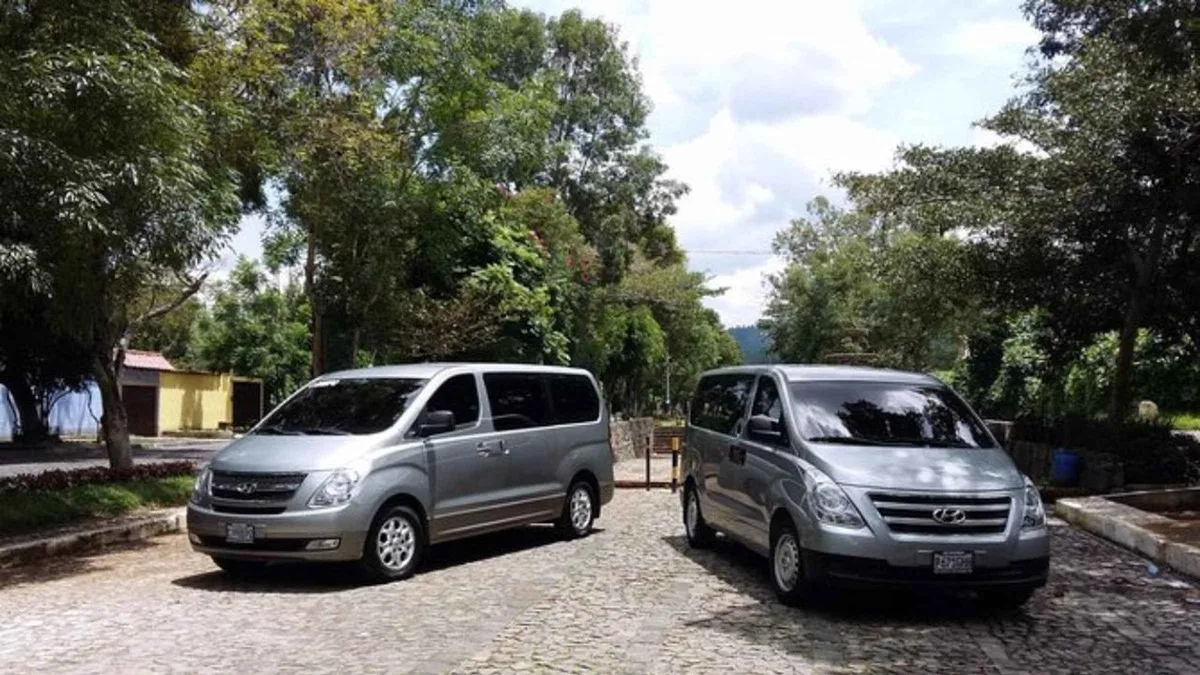 from $30
Guatemala City Airport: Private Transfer to Antigua
Private door-to-door transfer from La Aurora airport to your Antigua hotel, about an hour and a half.
Check Availability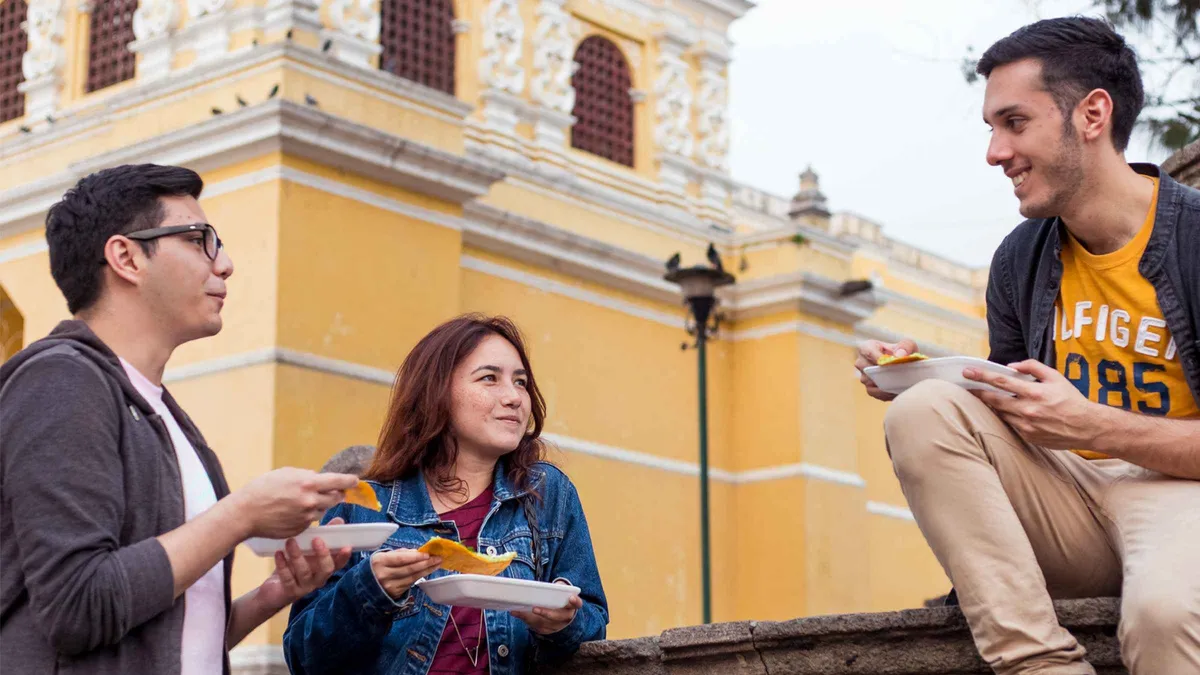 from $24
Guatemala City: One way Shared Transfer to Antigua
Shared van between Guatemala City and Antigua; the budget door-to-door with luggage space.
Check Availability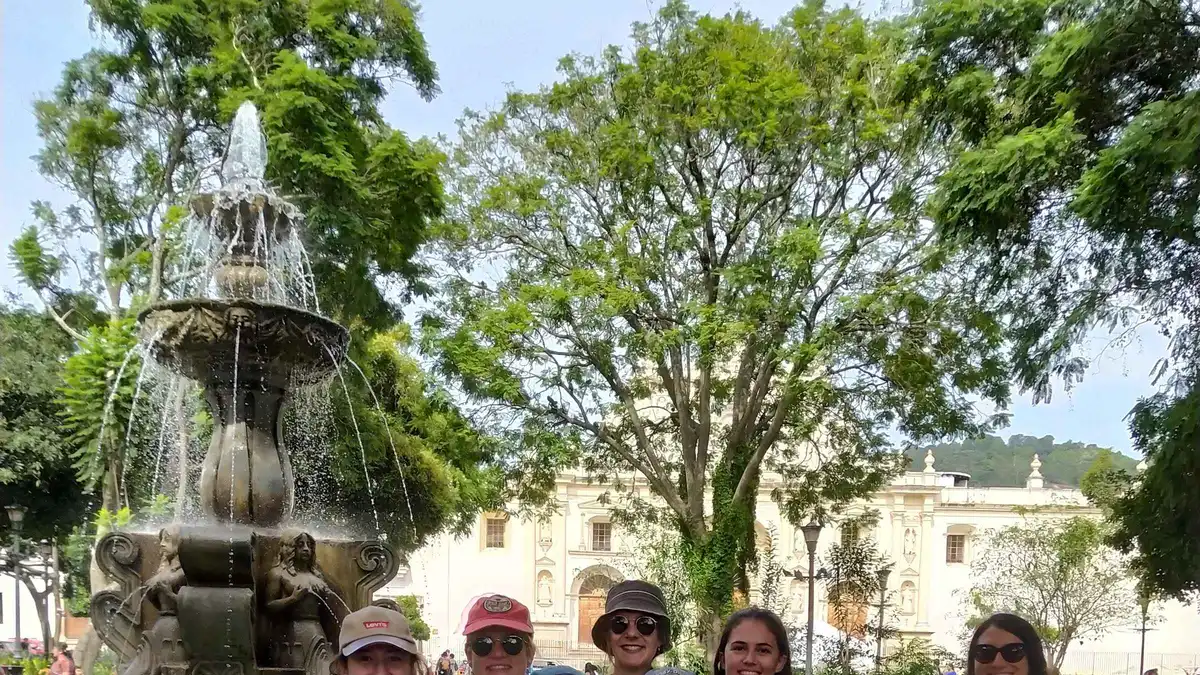 from $25
Antigua Guatemala: City Highlights Guided Walking Tour
2.5-hour small-group walk through the grid with a licensed guide; the fastest way to make the ruins and churches mean something.
Check AvailabilityPrices, ratings and details are the platform's own. dollar figures are the listed prices — the platform bills in your account's currency.
Next
The First Hour
Routes, counters and the airport run in full: Guatemala City airport to Antigua.
Where the named risks actually liveThe Money Behind the Scams
Daily bands, the fee table and the exit tax, sourced line by line: what a day costs.
The arithmetic the tricks feed onThe City Itself
What the question is really about: things to do and the Antigua Guatemala city guide.
The reason you are askingIs Antigua Guatemala Safe: Questions
Is Antigua Guatemala safe for American tourists?
The US advisory for Guatemala is Level 3, Reconsider Travel, and it is country-wide, Antigua appears in no restricted list, and the department it sits in is not among the UK's avoid-travel zones. American visitors are the demographic the tourist-assistance layer is built for: DISETUR police in the visitor core, the bilingual 1500 line around the clock, and the INGUAT office a block and a half from the park. The risks worth planning for are transport and money handling, both covered above. Cross-check the advisory itself before booking, the advisory table keeps the wording.
Is Antigua Guatemala safe at night?
The evening is when the town works, and the sourced practices are short: use radio-dispatched or hotel taxis and app cars for anything across town, remember tuk-tuks stop around 22:00, carry only small amounts of cash, and keep the ATM runs for daylight, the FCDO's own advice is to avoid withdrawing a lot of money at night. DISETUR patrols the visitor core and 1500 answers around the clock. No official statistic separates night from day here, and we print none. The evening-specific moves are in the after-dark section.
Why is Guatemala on the do-not-travel list?
It is not, that is the false premise. Guatemala sits at Level 3, Reconsider Travel, which advises weighing plans carefully; Level 4, Do Not Travel, is a separate and higher tier, and the current list of Level 4 departments was not verifiable at our check. What both advisories do is name places: the UK names Mexico-border strips, and Sacatepéquez, Antigua's department, is not among them. Read the two advisories' own words side by side in the advisory table rather than relying on a headline.
Are chicken buses safe in Guatemala?
The official guidance is blunt: the FCDO says avoid travelling on the repainted US school buses, citing attacks and extortion on drivers, poor maintenance, overcrowding and a serious accident record, and it notes armed robberies on tourist routes including the Guatemala City corridor. Private intercity coaches are its 'generally safer' comparison, and shared tourist shuttles are the practical version of that for the routes visitors ride. What the buses are, and why locals ride them, is covered honestly on the chicken-bus page.
What number do I call for tourist police in Antigua?
Dial 1500, INGUAT's ASISTUR line, staffed 24 hours in English and Spanish. From abroad or a foreign phone, +502 2290-2810 works, as does WhatsApp at +502 5188-1819. For crime in progress the national police number is 110, and fire and ambulance answer on 122 or 123. The INGUAT office for walk-in questions sits at 5a Calle Oriente No. 11, Local 2, on +502 2290-2800. The full table with who answers what is in the emergency numbers section.
Is $100 a lot of money in Guatemala?
About Q764 at this site's fixed convention of $1 = Q7.64, so say about: the quetzal floats and Banguat publishes the daily rate. Against daily budgets it is a serious note, two mid-range days with change, or nine or ten shoestring days on the ground before the bed, which is exactly why it should not be flashed at a counter or an ATM at night. The band arithmetic it sits inside is on what a day costs.
Is it safe to hike the volcanoes near Antigua?
It depends on which peak, and the answer is official, not seasonal. Pacaya is open and runs with operators daily in normal conditions, with the honest caveat that its park entry fee is not verifiable from official sources, so treat an operator's extras line as part of the real price. The Fuego and Acatenango summits are suspended under CONRED's orange alert with no reopening date, and no page should sell them as bookable. Volcán de Agua's status, fee and guiding are all not stated by any reachable official source. The full gate is in the volcano section and on the Pacaya page.
Antigua on the Ground
Three films that show the streets the question is about, judge the texture for yourself before the forums answer for you.
Top Things to do in Antigua Guatemala (Don't Miss These!)
A visitor's circuit of the main sights, useful for seeing how busy and how walkable the core actually is.
Video: Kiran Goes PlacesWhat to Do in Antigua, Guatemala | 36 Hours Travel Videos
A newsroom's 36 hours in the city, from markets to rooftops, the ordinary rhythm a safety question is really asking about.
Video: The New York TimesANTIGUA, Guatemala | 4K 60fps Walking Tour | The world's Most Beautiful Colonial City
An unedited walk through the centre, the closest thing to being on the cobbles before you book.
Video: EchoStepsVideos load from YouTube only when you press play.
Prices, hours and terms are set by the venue or operator and confirmed at checkout.
We may earn a commission if you book through one of our links, at no extra cost to you. Full affiliate disclosure