 Antigua Guatemala City Guide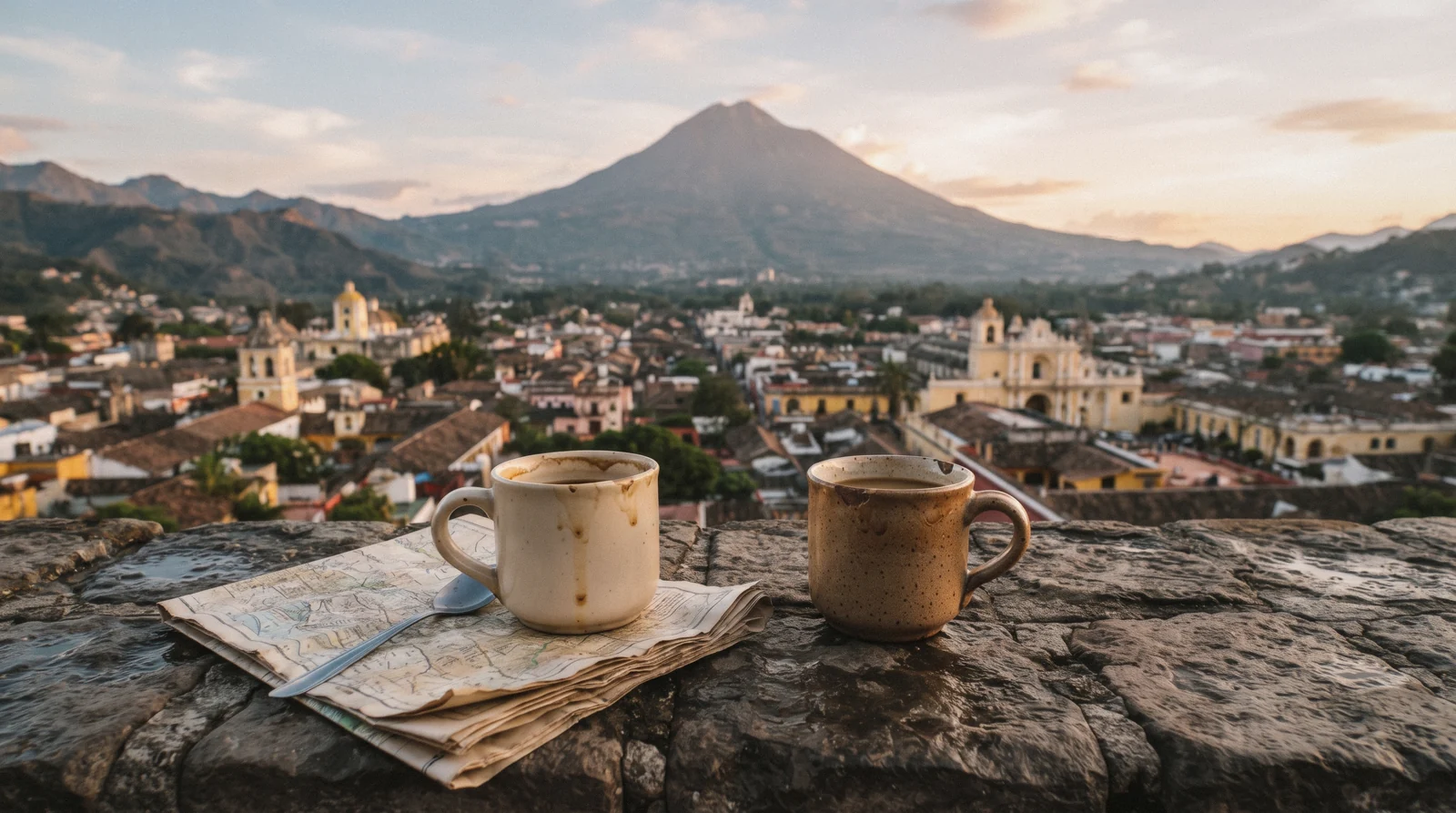
Antigua in 2 Days
Antigua in 2 days splits cleanly into a town day and a day with a purpose. Day 1 walks the same grid loop as a one-day visit but at half speed, ending at the dusk viewpoint above the rooftops. Day 2 adds the ruins belt in the morning and one half-day out after lunch. Walking minutes throughout are our own estimates.
Quick answer Two days, the ruins belt, and one half-day decision
Two days is enough for the city and one big outing. Day 1 is the grid loop at half speed, from the square to the ruined cathedral to the arch, La Merced, the market lunch, Casa Santo Domingo and the dusk viewpoint. Day 2 covers the ruins belt on foot in the morning, then the real decision of the trip: a Pacaya volcano half-day, or the ridge parks for the easiest big views in the valley. Both days start and finish on foot inside the grid, and the only vehicle hours belong to the half-day you choose.
Key takeaways
- The half-day is a straight choice. Pacaya lists at $23, the Hobbitenango ridge tour at $35, and both cancel free up to 24 hours before, so book the one you hope for and swap if the sky disagrees.
- Money: most in-city entries are free or simply unpublished. Work the real numbers in what two days cost and on the Antigua price guide, and expect ATM fees, not door fees, to be the surprise.
- Nothing inside town books out, so day 1 needs no reservations. The tours do. The deep pages on the Pacaya volcano page and the Hobbitenango page carry the standing situation for each.
How the two days are built
The shape of the plan
Day 1 is the one-day loop taken at half speed. The grid sights reward unhurried visits, and the Casa Santo Domingo ruin complex alone deserves two full hours, which a single-day sprint never gives it. Day 2 changes continent.
The morning belongs to the ruins belt on foot, three convent and church sites on the east and south edges of town. After lunch, a van takes over for the half-day out. Total walking stays at about 5 to 6 km on day 1 and about 4 km on day 2 before the tour vans take over.
All of those figures are estimates and depend on your pace and your lunch.
Why the ruins belt is a morning job
The convent ruins are shadeless lawns and hot stone by noon. There is no cover and no shelter, and the facades photograph best with the sun still low. The three sites sit within about a 15-minute walk of one another on the east and south edges of the grid, so the arc is compact.
None of them publishes an entry fee in any official source, so the morning costs nothing but sweat. Bring small notes anyway, because access at Capuchinas is paid at the door even though the amount is not published anywhere online.
Why the half-day out sits in the afternoon
Pacaya operators run departures from early morning through the mid afternoon, and an afternoon slot beats both the heat and the morning-coach crowds that clog the trail before lunch. The ridge shuttle windows work the same way, running from 2:00 to 4:00 pm upward, with return runs timed for sunset. That alignment is what makes the plan work: you spend the morning on foot in the ruins, eat near the square, and step into a van with the day already banked.
What gets dropped
The coffee fincas, the lake and the market at dawn all belong to a third day, and the three-day itinerary is where they live. Squeezing any of them into a second afternoon means giving up the volcano or the ridge, which would be the wrong trade. If you actually have only one day, collapse this plan to the one-day route and accept that Casa Santo Domingo gets an hour, not two.
Where to sleep for this plan
Stay inside the grid. Both mornings start on foot, and the day 1 evening ends at a viewpoint you walk to. Every pickup on day 2 works from any central hotel, so a grid base saves you the only thing a two-day trip cannot replace, which is minutes. where to stay in Antigua sorts the neighbourhoods block by block.
And if the budget is still deciding how many nights it can afford, the city guide homepage carries the planner that weighs two days against three before you book anything.
What two days cost: the price comparison
The table gathers every published figure for both days and says exactly where each one comes from.
The published figures
Most in-city entry fees are unpublished by any official source, which is the single most important cost fact about Antigua. The table separates what is genuinely free, what is paid but unpriced online, and what carries a real published number.
| Item | Published figure | Where it comes from |
|---|---|---|
| Day 1 entries (square, cathedral, arch, church, viewpoint) | Free to unpublished | No official tariff exists for any of them, the Casa Santo Domingo museum price is quoted at the desk on +502 7820-1220 |
| La Merced rooftop | About Q35 ($4.58) | Que Pasa magazine, a secondary source |
| Tuk-tuk in town | Q10 ($1.31) municipal tariff | The municipality's own announcement, not metered, drivers commonly ask visitors Q15 ($1.96) |
| Ruins belt (Capuchinas, Santa Clara, San Francisco) | Paid on the door, amounts not published | Access is paid at Capuchinas per its owner CNPAG, no tariff online |
| Pacaya half-day | $23 listed, about $90.50 all in on the Voyageur card | $35 listed plus $55.50 mandatory extras, park fee included, on the Viator listing |
| Hobbitenango DIY | $8.00 entry + $8.00 shuttle | Official site prices, USD only |
| Hobbitenango half-day tour | $35 | GetYourGuide listing with pickup |
The real spend
Your actual budget is built from food on both days and, if you take one, the tour. Meals at the market comedors run on cash and small notes, dinners near the square take cards at most addresses. Cash discipline matters more than any entry fee: ATM fees are commonly reported at BAC Q40 ($5.24) and 5B Q49 ($6.41) per withdrawal, and the fees seem fixed, so withdraw larger amounts less often rather than scraping the machine every evening.
Carry coins and small bills for the tuk-tuk tariff of Q10 ($1.31), because drivers are not metered and commonly ask visitors Q15 ($1.96).
Why the honest Pacaya math is not the headline
The cheapest honest Pacaya figure is the Voyageur card's all-in number, about $90.50, not the $23 headline. The card lists $35 with $55.50 of mandatory extras on top, park fee and transport included. The park entry fee itself is collected in cash on the trail and no official source publishes its amount, so any figure that ignores it is not a figure you can budget on.
Every figure above was re-checked against official and reported sources in Q3 2026.
Why the fee gap matters
A page that printed prices for the cathedral, the convent ruins or the viewpoint would be inventing them, because no official tariff exists for any of them, and that absence is the most useful fact on this page. It means two days in Antigua cannot be priced wrong in advance, only spent well or badly once you arrive. The two numbers worth knowing before you land are both tour numbers, the $23 headline on the Pacaya card and the about $90.50 it really costs once the mandatory park fee and transport extras land, and the difference between those two figures is the whole argument for reading the fine print on this trip.
Day 1: the grid loop, at half speed
The same seven beats as a one-day visit but unclenched, with two extra hours inside Casa Santo Domingo and a dusk finish at the viewpoint. It runs about 5 to 6 km on foot, and the walk minutes are our estimates.
-
Parque Central
FreeStart where the city starts. The plaza has carried the names Plaza Mayor, Plaza Real and Plaza de Armas over the centuries, and the Fuente de las Sirenas at its centre was carved by Diego de Porres in 1737. The Palacio de los Capitanes on the south side was begun in 1558 and the City Hall opposite went up in the 1750s after the San Casimiro quake.
The INGUAT tourist office sits two blocks east at 5a Calle Oriente 11 if you want maps. Anyone who prefers the history spoken can join the walking tour, which meets here at the central fountain. Give the arcades a slow lap before you sit, because the building lines themselves are the exhibit here, and the morning vendors set up along the east side, which tells you which way the light will move.
walk about 5 min to next
-
San Jose cathedral
No fee publishedThe cathedral block is two halves in one facade. The left side is a working parish, the right is the ruined basilica standing open to the sky. First built from 1545, consecrated in 1680, elevated to metropolitan cathedral by 1743 and wrecked by the 1773 Santa Marta earthquakes, it has been divided ever since.
Pedro de Alvarado was reinterred in his niche in December 2007. No entry fee is published for the ruined sections. Give it 40 unhurried minutes, which a one-day plan never does, and read the crypt signs slowly.
If a service is under way in the parish, take the ruins first and cross back after, and keep shoulders and knees covered in both halves, the working rule at every church on this page.
walk about 5 min to next
-
Santa Catalina Arch
FreeWalk north to the city's signature sight before the tour buses thicken. Construction began in July 1693 so cloistered nuns from the Santa Catalina convent could cross the street unseen, and the structure works as a 23 metre bridge over 5a Avenida Norte. The clock on top is not original, and the sources even disagree on when it arrived, so enjoy it without a date.
The arch was restored in 2017. After the photos, take coffee on the arcade behind it, our cafe shortlist points the way. With two days you do not have to race this street, so take the coffee on the arcade when the light turns, the half day one-day visitors spend rushing here is exactly the time this plan gives back to you.
walk about 4 min to next
-
La Merced and the rooftop
Church none stated, rooftop about Q35 ($4.58) reportedTwo blocks north stands the finest facade in the city, Churrigueresque stucco in yellow and white built between 1749 and 1767. The church survived the 1773 earthquakes practically new and has been open for worship ever since. The Fountain of los Pescados in the courtyard runs 27 m across, among the largest colonial fountains in Latin America.
The city's great Holy Week processions originate here, which tells you everything about its standing. The rooftop figure of about Q35 ($4.58) comes from a secondary source, confirm at the desk. Ask at the convento door for the rooftop, the fountain of los Pescados is in that courtyard rather than the churchyard, and the roof walk is the only place on this route where the whole grid arranges itself below you in one frame.
walk about 8 min to next
-
Lunch at the mercado
Free entry, cashFifteen minutes west, on 3a Calle Poniente at the edge of town, the municipal market feeds the city. The bus terminal sits behind it, so the aisles are a working crossroads and not a set piece. No published hours exist, but the comedors serve plates of the day from mid-morning into the afternoon.
Bring small notes, order what the table next to you is having, and sit down. Our market guide maps the halls and what to eat names the dishes worth ordering. This is the cheapest honest meal of the trip.
Half-day visitors eat here because it is cheap, two-day visitors can eat here because it is good, and the difference shows in how long you are willing to stay at the benches.
walk about 15 min to next
-
Casa Santo Domingo
Not stated online, pay at the deskThe afternoon's anchor, at 3a Calle Oriente 28 A, a ruined monastery turned museum complex. Six permanent museums plus two rotating galleries spread through the nave, cloister, cemetery and crypts, covering colonial art, pre-Columbian pieces, silver and an old pharmacy. Hours run Monday to Saturday 9:00 to 18:00 and Sunday from 11:00, and the site warns it may close early without notice.
There are no guided tours. The entry price is not published online, pay at the desk or phone +502 7820-1220 first. Give it two to three unhurried hours, which is the whole point of a two-day visit.
Enter from the hotel lobby, since the museums sit behind it, and remember the official warning that the museums may close before the scheduled time without notice, the reason this plan gives the complex its own unhurried slot rather than the tail of an afternoon.
walk about 20 min to next
-
Cerro de la Cruz at dusk
Free per local reportsClose the day above the rooftops. The INGUAT-signposted trail takes about 20 to 30 minutes from the historic centre and delivers the most iconic view of the city, the grid laid out with Volcan de Agua filling the southern sky. No official hours or tariff exist, but local reports describe free access from 6:00 to 18:00.
Come down before dark, because the trail is unlit. Then walk to dinner on 5a Avenida Sur, where where to eat does the choosing for you. The full viewpoint page covers the trail in detail.
If yesterday's light was flat, today's evening is your second and better chance, which is the quiet argument for two days in a city this photogenic, nothing important gets skipped, it gets seen twice.
Day 2, morning: the ruins belt on foot
Three convent and church sites in one east-south arc, none of which publishes a fee. The whole morning is about 4 km of walking before lunch, and the minutes between stops are estimates.
-
Convento de las Capuchinas
Paid at the door, amount not publishedThe ruins belt opens with the newest and strangest of the city's convents. Approved by King Felipe V in 1725, built from 1731, and with its church consecrated in 1736 under Diego de Porres's supervision, it was the last convent founded in Antigua. The famous part is the circular courtyard, nuns' cells ringing a common chamber with underground passages, described by Prince Wilhelm of Sweden when he visited in 1920.
The site is owned by the conservation board CNPAG, access is paid, but no official tariff or hours exist online, so bring small notes. Allow 45 minutes. The cells ring the chamber in a full circle, which no other convent in the city attempts, and the passages below were probably practical rather than dramatic, though every visitor decides that for themselves in the dark.
walk about 4 min to next
-
Convento de Santa Clara
No official dataTen minutes south, Santa Clara is the ruins belt's great photograph. The arched stone facade fronts the street in one sculpted piece, and behind it the vaults stand open to the sky. INGUAT lists the ruins among the city's sites and gives nothing else, no fee, no hours, no official coordinate, so arrive when the gate is open and pay what is asked.
Thirty minutes covers the visit, longer with a camera, because the light through the ruined windows is the shot everyone comes for. Because nothing official exists for this site, no fee, no hours, no coordinate, treat it as a street-side stop rather than a ticketed one, the facade from the sidewalk and, if the gate is open, a short look at the vaults.
walk about 10 min to next
-
San Francisco and Santo Hermano Pedro
None publishedThe arc ends at a living church. The building in its current form dates to 1702, built by Diego de Porres with the Salomonic columns that twist up the facade. Brother Pedro, the city's own saint, canonized in 2002, lies enshrined here, and pilgrims fill the side chapel all day, which gives the ruins belt its one note of living faith.
The ruins behind the church once stood in for a temple in a 1935 Tarzan film. Forty minutes with the shrine, then about 10 minutes back toward the centre for lunch. Pilgrims arrive from across Guatemala to the shrine, so the church is never empty, and the contrast between their devotion and the film-set ruins out back is the whole city in one block.
Lunch and the turn out of town
Eat near the square today
Today, skip the market and eat near the square, because the afternoon belongs to a van and you want to be near your pickup, not across town with a full plate. The blocks around Parque Central hold the widest choice, from Guatemalan set lunches to tables that take cards, and where to eat sorts them by street and mood. Order light.
The Pacaya trail and the ridge shuttle both punish heavy lunches.
The exit logistics
Both half-day options collect you from your hotel, so there is no terminal to find and no transfer to arrange. Tuk-tuks are the backup if a pickup runs late, at the municipal tariff of Q10 ($1.31) per ride in town, though drivers commonly ask visitors Q15 ($1.96), so agree the fare first. If you finish lunch with an hour to spare, spend it in the market rather than the souvenir shops on the arcade, because the market is where the city actually shops.
The weekend version of these 48 hours
Most two-day visits are weekend visits, so here is what Saturday and Sunday change.
A weekend runs the same route with three adjustments. On Saturday the market is at its fullest and its most fun, so if your two days are Saturday and Sunday, swap the day 1 market lunch to whichever morning is Saturday and give it an extra half hour. On Sunday morning the parish churches hold their biggest services, which means the cathedral parish may be closed to browsing while the ruins half stays walkable, and La Merced fills with a dressed-up congregation late morning, so run the churches early.
The arch corridor, quiet on a Tuesday before work, holds a photo queue by Sunday noon, one more reason this plan shoots it before ten.
The other weekend factor is Easter week, when the city changes character completely and the processions reroute the streets around the arch and the cathedral. The plan above is not built for that week, because nothing about it is normal then, and our Semana Santa coverage is where that trip belongs. For every other weekend of the year, the route needs no changes at all, only the expectation that the grid belongs to everyone on a Sunday afternoon.
Day 2, option A: Pacaya, the open volcano
A half-day volcano walk with hotel pickup, 6 hours door to door on the standard card. Here is the honest price story, told straight.
-
Pacaya volcano hike
$23 listed, about $90.50 all in on the Voyageur cardA van collects you at your hotel and rides about an hour to the trailhead on an active cone that CONRED reported only degassing in early September. The walk runs 1 to 2 hours up through cloud forest until the trees give way to black ash, where steam vents you can warm your hands on hiss beside the path and guides roast marshmallows over the hot rock. The park entry fee is collected in cash on the trail and no official source publishes its amount, which is why the honest all-in figure is the Voyageur card's $35 listed plus $55.50 of mandatory extras, about $90.50, park fee and transport included.
Bring sturdy shoes, a layer for the wind, and a head for the thin, cold air at the top. The full picture lives on the Pacaya volcano page, and the shared group version is the budget alternative at $20 listed with the same free 24-hour cancellation. Departure times vary by operator, so confirm the pickup window when you book rather than assuming an afternoon slot, and eat lunch before the van comes, there is nothing on the mountain but the marshmallows.
Day 2, option B: the ridge parks above the valley
No volcano, but big views, hobbit houses and swing frames on the western ridge. The park's own shuttle or a half-day tour both get you there.
-
Hobbitenango eco-park
$8.00 entry + $8.00 shuttle, or $35 tourThe shuttle leaves from the park's office in town. Up-windows run 8:00 to 10:00 and 2:00 to 4:00 pm, down at 9:00 to 11:00 plus 1:00, 3:00, 5:00 and 6:00 pm, and you should arrive 30 minutes before your shuttle. The base ticket includes fair games such as archery and axes, mini golf, trails and viewpoints, all priced in dollars on the official site at $8.00 entry plus $8.00 shuttle.
The half-day tour at $35 adds a Cerro de la Cruz stop and hotel pickup, and the ATV version at $69 rides four mountains instead of riding a van. Sunset from the ridge is the payoff, so take the 6:00 pm down-shuttle and let dinner wait back in the grid. the Hobbitenango page and Hobbitenango tickets hold the details. Groups of ten or more have to arrange transport with the park's sales team in advance, which only matters for family reunions, and the office in town will confirm the next shuttle if the ridge fog looks doubtful.
What goes wrong on day two, and the fixes
Day two carries the only logistics of the trip, which makes it the only day that can actually fail. These are the four failures we see.
- The morning overruns. The ruins belt has no gates closing on you, so it stretches, and the half-day pickup is missed. Fix: Capuchinas at 08:45 sharp and Santa Clara watched from the street if the clock says so.
- The cash runs out. The ruins belt takes small notes at its doors, the park fee on Pacaya is cash on the trail, and the ATM fees here are commonly reported at Q40 ($5.24) at BAC and Q49 ($6.41) at 5B, so withdraw once, in the morning, not twice at night. See the costs page.
- The sky opens on the volcano. Pacaya runs in light rain but the marshmallow stop does not, and the operators cancel free up to 24 hours before, which is why the booking belongs to the day before, not the week before.
- The evening has no plan. The day ends with a van back to the grid at about eight, tired legs and no reservation. Fix: pick the dinner street before you leave in the morning, where to eat is the short version.
Pacaya or the ridge: the half-day decision
This is the one real decision of a two-day trip, and everything else on day 2 is logistics. The table sets the two afternoon options side by side with the published figures for each. The cost row is the honest one, the volcano's headline price hides a mandatory-extras tail, while the ridge prices are exactly what they say.
| Pacaya | Hobbitenango ridge | |
|---|---|---|
| Time out the door | About 6 hours door to door | 3 to 4 hours on the ridge plus 25 minutes each way by shuttle |
| Cost per person | $23 listed, about $90.50 all in with the mandatory park fee and transport extras | $16.00 DIY, $35 with the half-day tour, $69 by ATV |
| What you actually do | Walk a live volcanic cone, steam vents, roasted marshmallows | Fair games, mini golf, swing frames, valley viewpoints |
| Booking | Books ahead, cancels free 24 hours before | Walk-up shuttle is fine, tours book ahead |
| It loses when | Rain, or unfit knees, the ash climb is real | You want the volcano itself, views are not lava |
With one half-day we take Pacaya, because an active volcano is the thing Guatemala has that nowhere else in the region does as accessibly, and the ridge is the rain, knees or small-children answer.
The volcano question, answered honestly
The closed summits
Acatenango and Fuego, the overnight hikes that other sites sell as the region's crown trip, have had their summits suspended since August 2026. This site does not sell them and does not predict their reopening, and the volcano pages keep the standing situation updated rather than guessing. Any operator offering you a Fuego summit slot right now is selling something the authorities have withdrawn, so walk away.
Any site still selling those overnights is selling a departure that cannot run, and the difference matters more in Guatemala than most destinations, because the closures are set by the disaster agency, not by marketing calendars. This page keeps the standing situation on the Pacaya page and sells nothing it cannot verify.
The open volcano
Pacaya is the open volcano. CONRED, the disaster agency, reported only degassing in early September, and trails run under normal operator sales with the park fee collected in cash on the trail. That makes the Pacaya half-day the only live volcano walk this plan can responsibly name, and it is a genuinely good one, black ash underfoot and steam you can warm your hands on.
The safety frame
Check CONRED and the Guatemalan met office before any volcano day, because conditions change and the agencies are the only authoritative voice. The UK foreign office advises care on public buses, which this plan avoids anyway, since both half-days collect you by private van. In town, the tourist police DISETUR patrol the grid, and our safety and scams page lists the two or three routine hustles worth knowing.
What the volcano day actually asks of you
Nothing technical. Closed shoes with a grip sole, because the ash section slides, a layer you can tie at the waist for the wind at the top, water you would carry for any two-hour hill walk, and small notes for the trail fee and the horse handlers who ply the steepest stretch. Walking poles are genuinely useful on the descent, which is steeper than it looks, and the guides carry first aid.
If knees are the question, the ridge parks are the honest answer, and the decision table above says so without embarrassment.
If it rains across your two days
The pattern
The wet season runs May to October, and September is the wettest month at 311 mm across about 28 rainy days. The saving grace is the pattern: mornings are frequently dry, and the downpours arrive in the afternoon. That pattern suits this plan well, because both mornings are on foot in town and only the half-day out is exposed to the afternoon sky. the weather page carries the full month-by-month numbers.
Four swaps when the sky fails
- Swap Pacaya for the museums of Casa Santo Domingo, which are under roof and deepen rather than shrink with a second visit.
- The ridge parks run in light rain, but the views leave with the cloud. On a grey afternoon swap them for a long cafe session, our coffee shortlist has the warm chairs.
- A cooking class turns a washed-out afternoon into dinner, and tours run most days in town, so no booking gymnastics required.
- The full indoor shortlist, museums, workshops and covered markets, lives on the rainy-day plan.
The tours named in this plan
Every card named in the two days above, priced as listed by the operators, and every one of them cancels free up to 24 hours before the start.
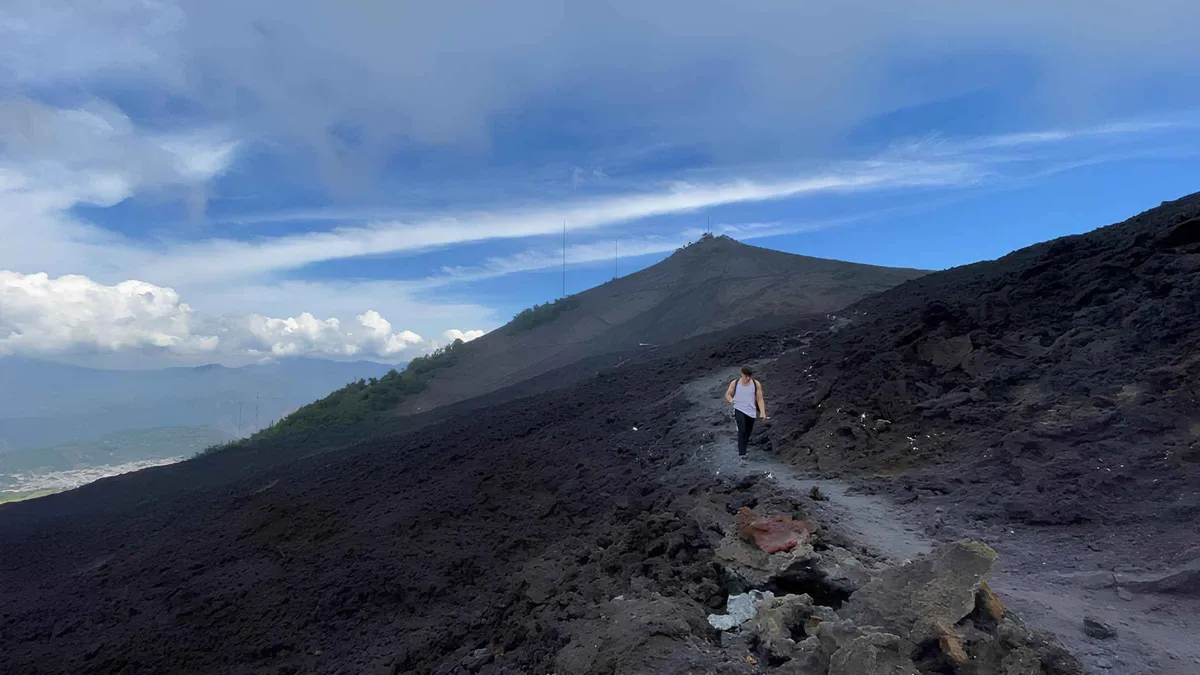 from $23
From Antigua: Pacaya Volcano Tour in English/Spanish
Half-day guided Pacaya hike with hotel pickup and marshmallows over the steam vents; the classic introduction to an active volcano, run in English or Spanish.
Check Availability from $20
Pacaya Volcano Hike (half-day)
The budget half-day Pacaya hike with a shared group; listed at $20 with the park fee collected on the trail.
Check Availability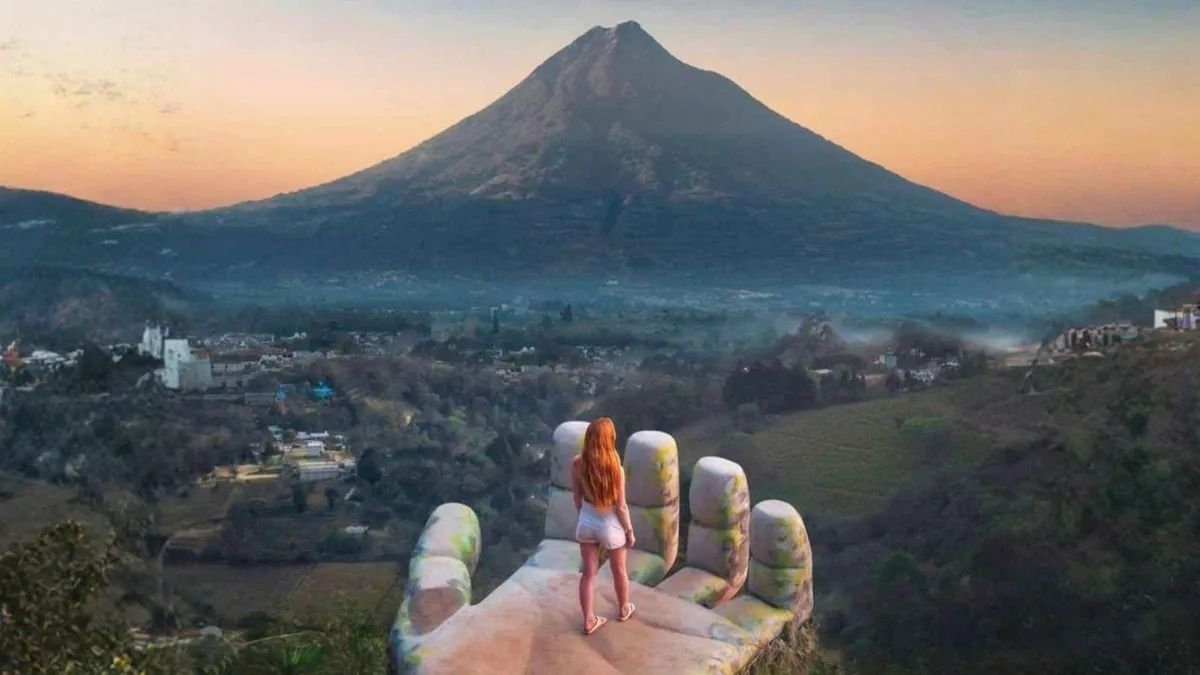 from $35
Antigua: Hobbitenango Eco-Park & Cerro de la Cruz Tour
Shuttle out to Hobbitenango plus a Cerro de la Cruz stop - the ridge and the viewpoint in one half-day.
Check Availability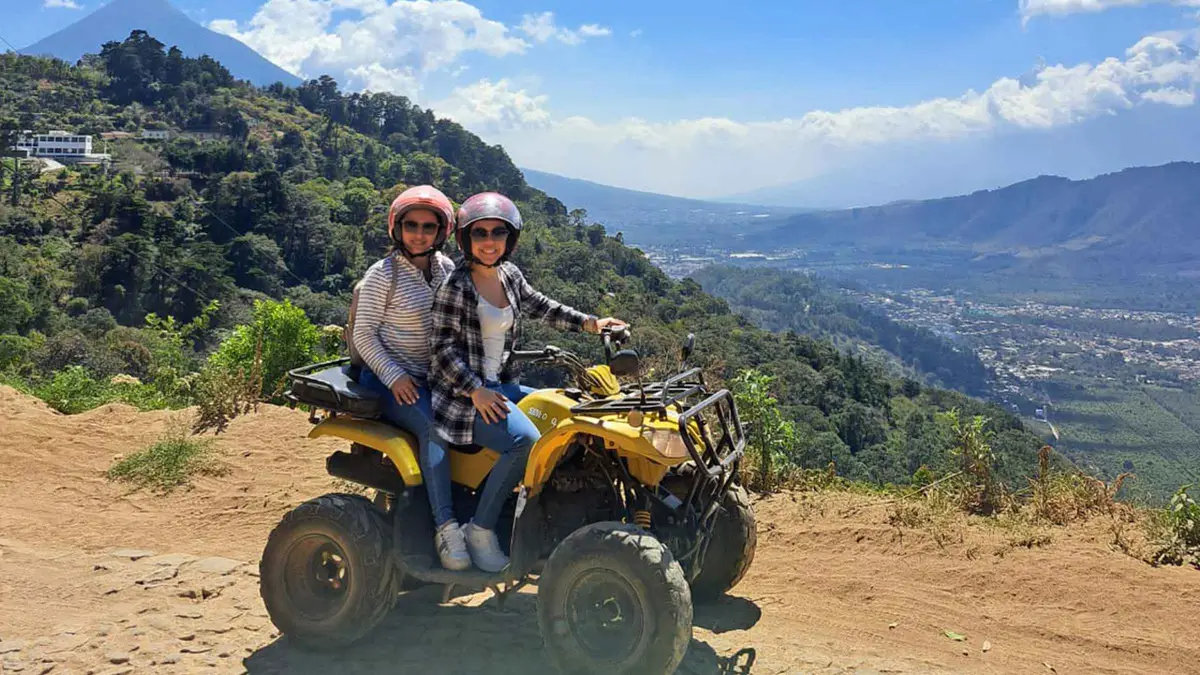 from $69
Antigua: ATV Mountain Tour with Hobbitenango Entry
ATV ridge ride with Hobbitenango entry included; the fun way up the western ridge if the shuttle feels tame.
Check Availability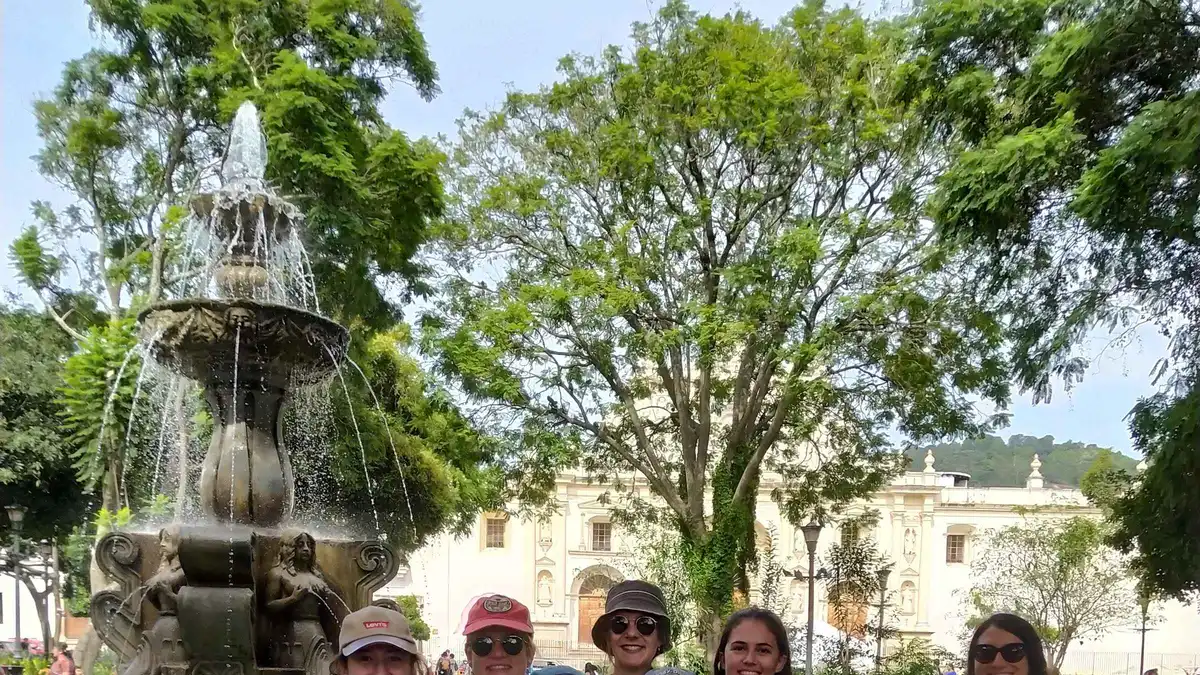 from $25
Antigua Guatemala: City Highlights Guided Walking Tour
2.5-hour small-group walk through the grid with a licensed guide; the fastest way to make the ruins and churches mean something.
Check AvailabilityPrices, ratings and details are the platform's own. dollar figures are the listed prices — the platform bills in your account's currency.
The two days on one map
Both days and both half-day options, colour-coded in one frame.
Where this plan goes next
Two days is the hinge of any Antigua trip, so both directions from here are one click away.
The one-day version
If two days turn into one, the one-day route keeps the grid loop and the dusk viewpoint and drops the rest without apology.
The three-day version
If a third night appears, the three-day itinerary adds the coffee finca morning, the full lake day and the city after dark to everything above.
Where to sleep
Both mornings of this plan start on foot, so the hotel postcode matters. where to stay in Antigua sorts the grid block by block and names what each street buys you.
Two days in Antigua: questions
Is 2 days in Antigua enough?
Yes, for the city plus one half-day out. Two days covers the full grid loop, the ruins belt and either the volcano or the ridge without rushing anything except lunch. The lake and the coffee fincas need a third day, and the three-day itinerary is the plan that adds them. The test is simple, if the phrase real volcano appears in your head, you need the second day.
Pacaya or Hobbitenango, which is better for a half-day?
Pacaya is the thing Guatemala does that nowhere else in the region does as accessibly, a walk on a live volcanic cone with steam vents underfoot. Hobbitenango is the easier afternoon, big views, games and swing frames with no ash climb. With one half-day we take Pacaya, and the ridge tour is the rain, knees or small-children answer. Travellers rate the Pacaya card 4.5 across 1,337 reviews and the ridge tour 4.7, so the crowd cannot decide it for you either.
How much does 2 days in Antigua cost?
Less on doors than on machines. Entries in town are free or unpublished on both days, so the real variables are food and your one tour. ATM fees are commonly reported at Q40 ($5.24) at BAC and Q49 ($6.41) at 5B, which is the cost that actually bites. The full breakdown sits in what two days cost.
Do you need to book Pacaya in advance?
Yes, book ahead, because departures fill and walk-up prices are not kinder. Both cards cancel free up to 24 hours before, so booking early costs you nothing. And budget on the honest all-in figure of about $90.50 on the Voyageur card, $35 listed plus $55.50 of mandatory extras, rather than the $23 headline. The Pacaya page explains the fee structure.
What do you do in Antigua when it rains?
Move under roof. Casa Santo Domingo's museums soak up two to three hours without a drop, and a cooking class converts a washed-out afternoon into dinner. The full swap list lives on the rainy-day plan.
Where should you stay for a 2-day Antigua trip?
Inside the grid, full stop. Both mornings start on foot, the day 1 evening ends at a walkable viewpoint, and every tour pickup on day 2 works from any central hotel. where to stay in Antigua compares the streets and the price bands.
Is the ruins belt worth it if I only care about views?
Yes, for the circular courtyard at Capuchinas alone, where nuns' cells ring a common chamber above underground passages. It costs almost nothing, since no official fee is published, and the morning arc takes about three hours. Then pair it with the ridge the same afternoon, the Hobbitenango page runs the shuttle windows you need.
Can you do both Pacaya and the ridge in one weekend?
Yes, if the two days are long ones, the ruins belt shrinks to Capuchinas alone and lunch gets short. It is a schedule, not a rest, and the three-day itinerary exists precisely because that is a lot for 48 hours.
Is the Pacaya climb hard?
It is a steady two-hour walk, not a climb, until the last stretch on loose ash, and horses meet that stretch for anyone who wants one. The descent is the harder half on the knees. If that sounds like the wrong kind of day, the ridge parks trade the volcano for views at a fraction of the effort.
Two Days in Antigua, on Film
Three cuts that show the city before you walk it.
What to Do in Antigua, Guatemala | 36 Hours Travel Videos
The New York Times' 36-hour cut sits neatly between one and two days and shows what a tight clock forces you to drop.
Video: The New York TimesOne day in Antigua - Guatemala's most BEAUTIFUL city!
The compressed version of day one, useful for seeing exactly what a second day adds back.
Video: Adventures of A+K40 Amazing Things to See, Do & Try in Antigua, Guatemala!
A menu of the things this plan leaves out, most of which belong to the third day.
Video: mapofthesoulVideos load from YouTube only when you press play.
Prices, hours and terms are set by the venue or operator and confirmed at checkout.
We may earn a commission if you book through one of our links, at no extra cost to you. Full affiliate disclosure